If the veins of a human body pulse with feelings of freedom, it is impossible not to choose the right path.
In every search and desire, contradictions and questions—who am I, and why do I exist?—are examined. A person tries to find the self within the life of an oppressive, denialist system but cannot truly belong to oneself.
Every living being sprouts from its seed, and every person grows within a culture. When one reflects deeply, the road flows toward light and truth. No one can stop the hope and desire for freedom; however great the surrounding pressure, the chains of slavery will break and the person will set out upon the search. Yilmaz Ozlû, a young man from Edene, followed his quest for freedom and became a revolutionary bound to his cause until his final moment.
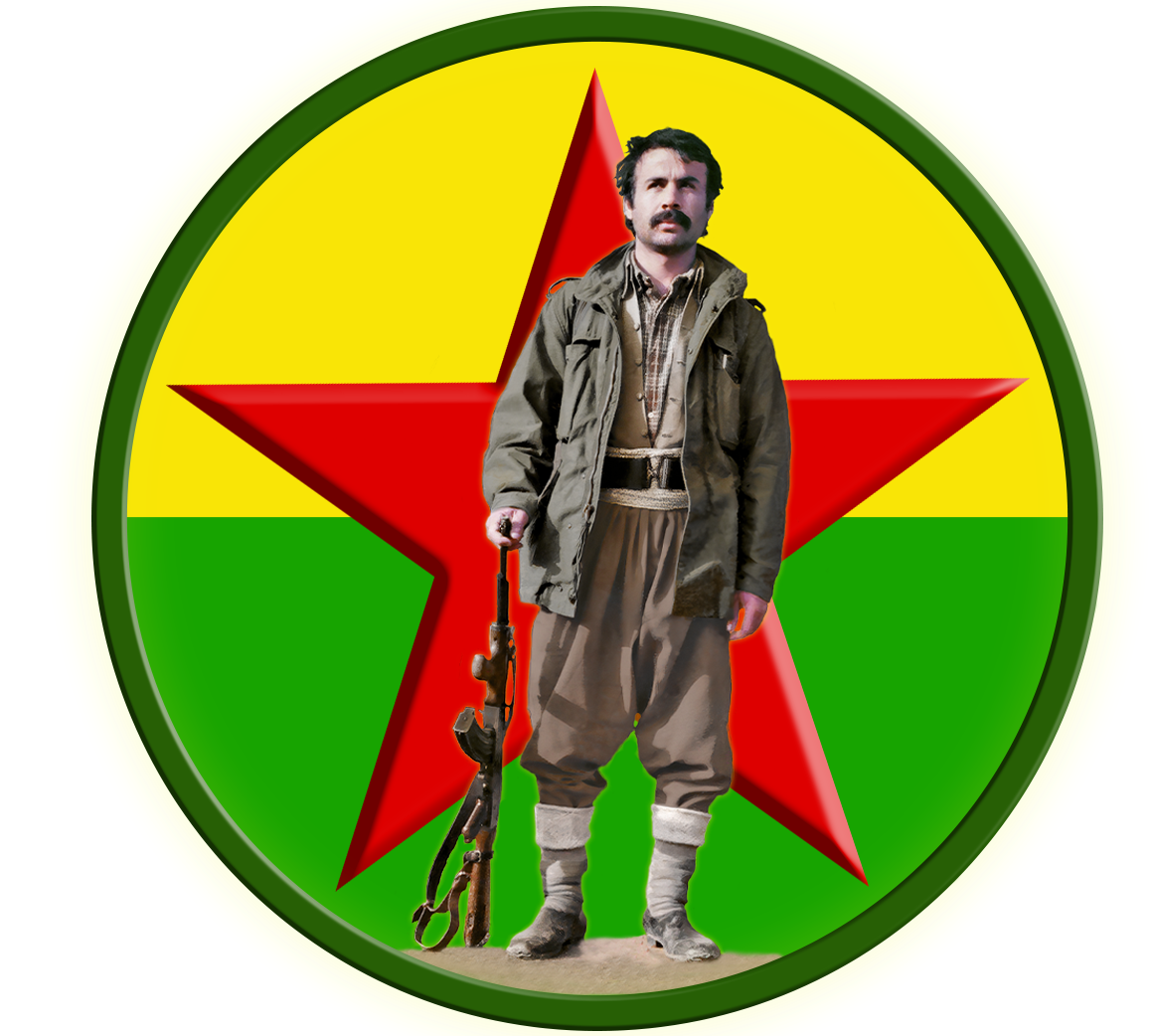
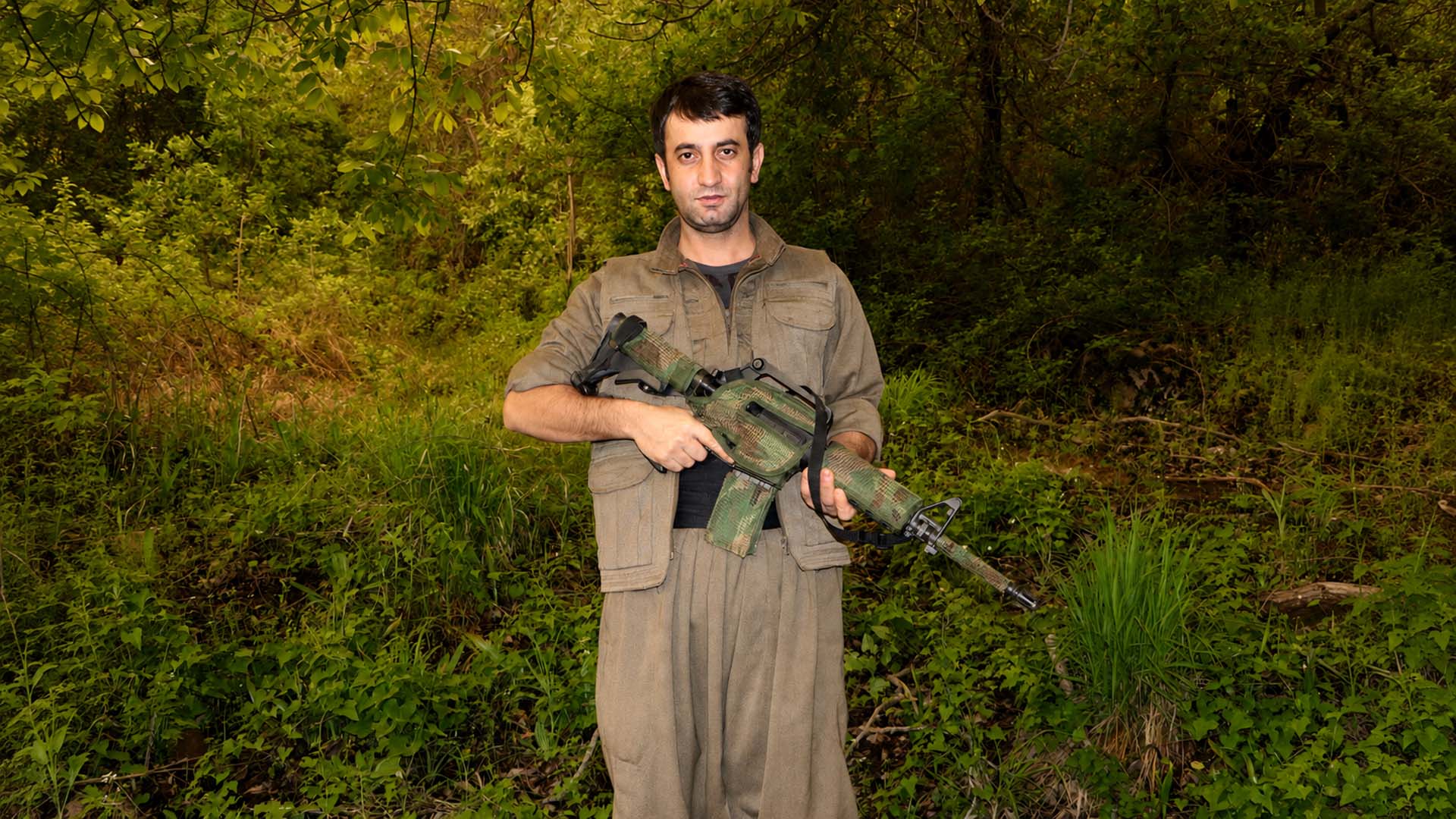
Gever Hekarî, whose civil name was Yilmaz Ozlû, belonged to the Mamxurî tribe and grew up in a patriotic family in Edene. Many members of his family had joined the freedom ranks and several reached martyrdom. Active and energetic, Yilmaz participated in youth work and led many young people toward resistance. He approached duty with discipline and a strong personality, and everyone knew him as serious and honorable. His activity had a powerful impact upon his surroundings, and through his style he brought many youth into the work. He read Leader Apo's books extensively, acting with knowledge and discipline at every step and becoming more informed and creative.
When human consciousness develops, boundaries disappear; the person becomes fluid and makes decisions courageously. Yilmaz's search in the cause of freedom and popular uprising developed. Through reading Apoist thought he reflected deeply and decided to return to the country. He knew such a decision was not easy, yet with awareness, conviction, and desire he crossed into Kurdistan's mountains. He first went to the Kato mountains, received basic guerrilla training, and made his militant pledge.
As Gever finished training, the Rojava Revolution began. With great devotion he went to its fronts and fought the ISIS gangs with heart and soul. He participated in revolutionary offensives and effective actions, acquiring important experience step by step in defending the revolution and dealing heavy blows to the gangs. Gever was wounded repeatedly, but never left the trenches of resistance and stood with his comrades until Rojava was liberated. After the important experience gained there, his longing turned him once more toward Kurdistan's mountains.
Upon returning to the mountain areas, Gever first entered the Martyr Îbrahîm Academy. He developed organizationally and ideologically and in true Apoist comradeship, continually discussing and questioning so that he could be a genuine comrade and leader for the freedom cause. He creatively united his experience from the Rojava war with the guerrilla style of the era, advancing tactically and preparing for every condition. Through outlook and ambition he became exemplary, shared what he knew, discussed it, and raised questions about modern methods and tactics. After training he strongly wished to enter the battlefront. War in Heftanîn was fierce, and at his own insistence he transferred there.
In Bektorya on Qertal Hill, the enemy intensified its attacks with every technology, weapon, and bombardment. Yet Gever and comrades Şoreş Serkeft, Zeyneb Amanos, and Hozan Farqîn struck Turkish soldiers repeatedly and protected themselves amid the bombing, developing new tactics against the enemy. They offered unmatched resistance to every weapon and carried out varied actions so that the enemy could not live easily in the mountains. In the Battle of Heftanîn the four resisted with self-sacrificing spirit. As long as a free breath remained, they fought with hearts of steel, making the slogan “This is Heftanîn” echo through the mountains.
Freedom guerrillas made their bodies shields to defend the majestic mountains. They built themselves through life's truth and struggled against an enemy that knew no ethics of war. Because this war aimed at annihilation, it could be won only through great struggle and self-sacrificing spirit. Kurdistan's freedom fighters pledged either a free life or an honorable death; this became the revolutionaries' pledge. On this basis many Egîds and Zîlans of the age emerged in Heftanîn and carried the voice of resistance everywhere.
Thousands of worthy young women and men sacrificed their lives for this cause. Gever now had to avenge those heroes in battle, answer the period, and break the aggravated isolation of Leader Apo. His burden and responsibility were great, and he was fully aware of them. Therefore Gever fought in this battle with a peaceful heart and paid the price.
Attack and plunder surrounded Heftanîn while the voices of heroic young women and men echoed through the free mountains. They waged a war of liberation to be worthy of the labor of thousands of freedom martyrs. In fierce clashes in Bektorya on 11 June 2020, Gever and the immortal Zeyneb Amanos, Hozan Farqîn, and Şoreş Serkeft reached martyrdom. The four militants fought courageously to their final breath and, with one spirit and voice, became the sound of resistance in Heftanîn, the color of the victory flag, and placed their seal upon history.
Every martyr becomes a witness to history, every militant a follower of the path, and every living being an immortal spirit that resounds and lives anew in another place and form. Through their lives and struggle, the martyrs of the freedom cause became the foundation of free life.