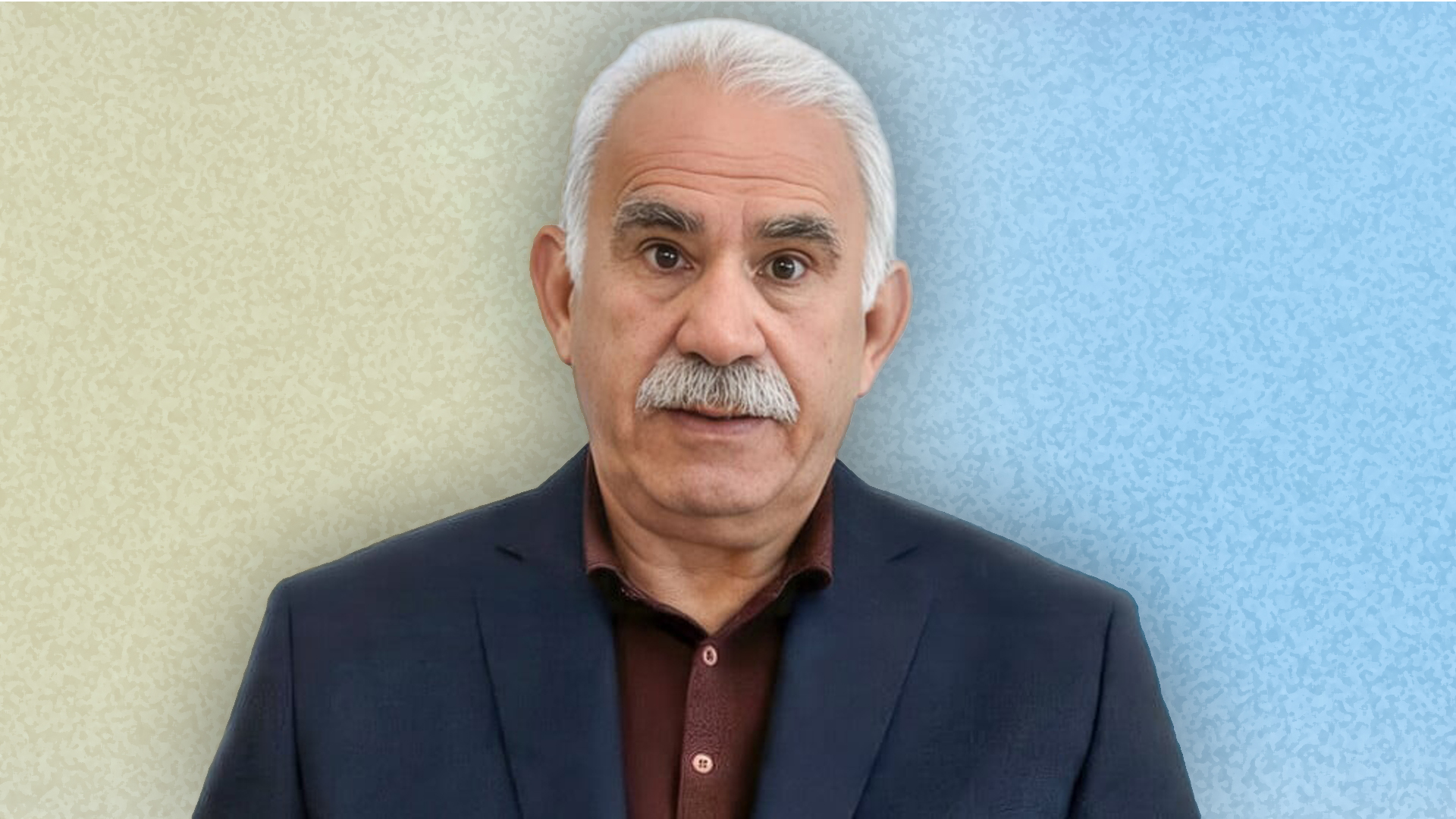
(A section from Leader Apo's analyses on language work)
In my view, Kurdish myth, Kurdish stories, and Kurdish accounts are the most important subjects of literature, and they still preserve their vitality.
I am convinced that since the oldest periods of history they have possessed a strong literary content. In our day as well, despite terrible colonialism, their self-defense and self-continuation are very important. Especially klam singers, dengbêjs, and storytellers enter the subject of literature. They have the problem of modernization. They also have the problem of shaping this through technique. For example, television is very important now. We must give space to storytellers, poets, dengbêjs, and klam singers. Among Kurds this is very strong. We must establish research institutions for them. These are in the translation of genuine literary works. We must certainly give value to these classical forms.
Essentially, one must connect this with the upsurge of Kurdish revolutionism and its upheaval. Certainly love cannot be with old styles; the singing of klams and the narration of stories with old styles cannot be either. Now we must unite these daily expressions of ours with classical expressions. All nations have achieved this; now we too must display the courage to accomplish it. We must renew its content as well. Its content is living through a difficult transformation. We must also unite the old form of the past with this content. This is a very important duty and stands before writers to be brought to success. There is absolutely no need to push it aside.
We must certainly leave the classical forms, but we must never overlook the new content. If the new content is the heart, the old form is the tongue of the narrator. If one does not unite the two, unity does not occur. If we can unite narration with new content, I believe this will also become a renaissance of literature. All these things we have said essentially mean a Kurdish Renaissance that arrived late. All Europeans lived this. For example, the Kemalists also say, “the Anatolian Renaissance in Turkey.” Even if late, since the 1970s we have begun this Kurdish renaissance and revival. In my view it continues in a magnificent form as well. For this Renaissance, heavy burdens fall on the shoulders of intellectuals. Just as this reached a magnificent expression among European intellectuals, this day has now come among Kurds as well. We must see this both as a great chance and as a duty that must certainly be brought to success.
My call is that our intellectuals should be able to evaluate with sound insight the things taking place at this moment. I will be at their service. Including those who speak most against us, I will take a civilized language as the basis toward all of them. Let them come and use television, let them use newspapers. There are regions liberated by the guerrilla; let them come to those places. Let them come to our people and see the beauties; let them come and see the magnificence of the guerrilla. The liberated regions are magnificent and vibrant; let them gradually accept this. At the very least, let them use these resources as much as intellectuals of other nations do.
Cultural Existence Is Possible Through Language
Whoever has had chains and shackles placed on his tongue has also had chains and shackles placed on his mind, heart, and outlook. When I was still seven or eight years old, as I went to the primary school of Cibîn, our neighboring village, I did not know even one word in Turkish. On the way to and from school I always asked myself: why do we not learn in Kurdish, and why are there no schools in Kurdish? In those years I had perceived the denial of rights being imposed on us. Education in the mother tongue is the most important and fundamental right; it is included among the rights of three generations. It exists in European conventions. This right also exists in the United Nations covenants on personal and civil rights and on economic, social, and cultural rights.
Cultural existence is possible through language. In this matter, language is the most important factor. If the mother tongue is being banned, this is cultural genocide. It is more frightening than physical genocide. Should the Kurds cease to exist? If this continues like this, the Kurds will melt away and disappear. Will we not be able to demand our mother tongue? In this matter, Kurdish mothers and children must voice their demands loudly and present their democratic reactions; this is their most natural right.”
No nation without a language can be imagined; therefore, work concerning the Kurdish language must be more active. Why has there not been an institution for the Kurdish language until now? When Ataturk newly founded the republic, he first established the Turkish Language Institution. We too must quickly reach such an institution. If such an institution has not been built until now, this is a deficiency, and this deficiency must be removed as quickly as possible.
Likewise, this can also be as a Language Academy. What is important is to reach institutionalization in the field of the Kurdish language as soon as possible. These points must be discussed and must reach the institutionalization of the Kurdish Language.